
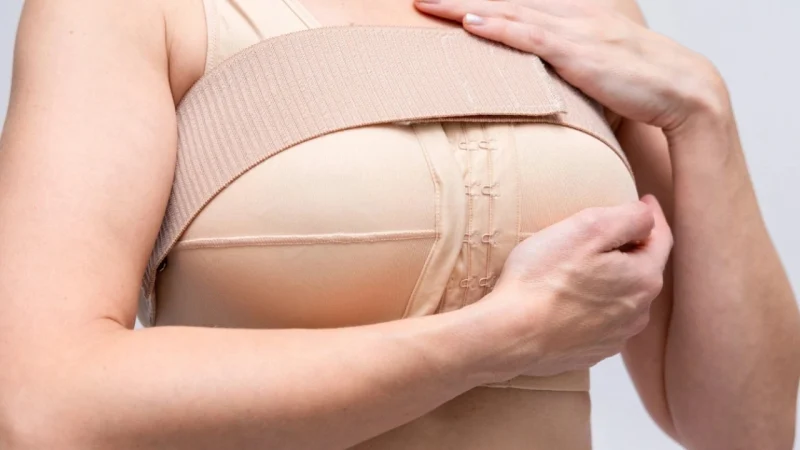
For many women, large breasts are often perceived as desirable. But for others, they can become a daily source of physical discomfort, posture problems, and lifestyle limitations.
Chronic back pain, shoulder grooves from bra straps, skin irritation under the breasts, and difficulty exercising are just some of the challenges women experience when breasts are disproportionately large.
At Divine Skin, Hair Plastic Surgical Centre, women often seek relief through breast reduction surgery—a procedure that not only reshapes the body but also dramatically improves daily comfort. Patients exploring Breast Surgery in Ahmedabad, India frequently consult experienced specialists to understand the procedure, recovery timeline, and long-term benefits.
Performed by Dr. Harshvardhan Sahijwani, a trusted cosmetic and reconstructive specialist, the procedure focuses on both functional relief and aesthetic balance.
This guide explains who should consider breast reduction surgery, what the procedure involves, and what patients can realistically expect during recovery.
Understanding Breast Reduction Surgery (Reduction Mammoplasty)
Breast reduction surgery, medically known as reduction mammoplasty, removes excess breast tissue, fat, and skin to create a smaller, lighter, and more proportional breast shape.
The goals of surgery include:
- Relieving chronic pain
- Improving posture
- Reducing skin irritation
- Restoring body proportion
- Enhancing mobility and comfort
Book an Appointment
Unlike purely cosmetic procedures, 92% of breast reduction surgeries are performed for medical reasons, not appearance alone.
According to the American Society of Plastic Surgeons breast reduction significantly improves physical health and quality of life for patients experiencing breast hypertrophy.
Why Women Choose Breast Reduction Surgery
Physical Symptoms Caused by Large Breasts
Overly large breasts can affect multiple areas of the body.
Common symptoms include:
- Chronic neck pain
- Back pain
- Shoulder strain
- Deep bra strap grooves
- Skin rashes beneath breasts
- Difficulty exercising
- Breathing discomfort during activity
Many patients attempt solutions like supportive bras, physiotherapy, and pain medication before considering surgery.
Emotional and Lifestyle Impact
Physical symptoms are only part of the story.
Large breasts can also cause:
- Difficulty finding comfortable clothing
- Self-consciousness about body proportion
- Reduced participation in sports or fitness
- Poor posture from constant strain
After surgery, many women report renewed confidence and freedom of movement.
Who Is an Ideal Candidate for Breast Reduction Surgery?
Breast reduction surgery works best for women experiencing persistent symptoms caused by breast hypertrophy.
Common Candidate Profile
- Age 35–50 years
- Post-pregnancy breast enlargement
- Chronic back or shoulder pain
- Skin irritation under the breasts
- Stable body weight
- Non-smoker
Medical Indicators That Qualify for Surgery
Doctors often evaluate several criteria:
- Persistent pain lasting 6+ months
- Documented physical limitations
- Skin infections or rashes
- Bra strap indentation
- Posture imbalance
In many cases worldwide, these symptoms qualify the procedure as medically necessary.
Functional Benefits of Breast Reduction Surgery
One reason breast reduction is so popular is its dramatic pain relief outcomes.
Pain Relief Statistics
| Pain Type | Pre-Surgery Score | Post-Surgery Score | Improvement |
|---|---|---|---|
| Back Pain | 5.7–6.9 | 1.1–1.3 | 81% |
| Shoulder Pain | 6.1 | 1.1 | 82% |
| Neck Pain | 5.2 | 0.9 | 83% |
These improvements make breast reduction one of the most impactful functional surgeries in plastic surgery.
Posture and Activity Improvements
After surgery many patients experience:
- Improved spinal alignment
- Better breathing during activity
- Easier participation in sports
- Reduced daily fatigue
Studies show a 76% reduction in activity limitations following surgery.
Types of Breast Reduction Techniques Explained
Surgeons choose the technique based on breast size, ptosis level, and tissue volume.
Vertical (Lollipop) Technique
Best for moderate breast enlargement.
Features:
- Scar around the areola and vertically downward
- Tissue removal 300–800 grams
- Good shape with moderate scarring
- Faster healing than anchor technique
Wise Pattern (Anchor) Technique
Used for very large breasts or severe sagging.
Features:
- Inverted-T incision
- Removes 800g or more per breast
- Allows maximum reshaping
- Ideal for dramatic reduction
Inferior Pedicle Technique
One of the most commonly used methods.
Advantages include:
- Maintains nipple blood supply
- Preserves nipple sensation
- Provides reliable long-term results
Step-by-Step Breast Reduction Procedure
The surgery typically lasts 2–4 hours and is performed under general anesthesia.
Steps include:
- Surgical markings on the breast
- Removal of excess tissue and fat
- Reshaping breast structure
- Repositioning the nipple
- Skin tightening and closure
The goal is proportion, symmetry, and relief from excess weight.
Breast Reduction Recovery Timeline
Healing occurs gradually over several weeks.
| Recovery Stage | Timeline | What Happens |
|---|---|---|
| Acute Phase | Days 1–7 | Swelling, mild pain, limited activity |
| Early Recovery | Weeks 2–3 | Stitches removed, swelling reduces |
| Functional Recovery | Weeks 4–6 | Light exercise resumes |
| Refinement Phase | Months 2–3 | Scars soften, shape improves |
| Final Results | 6–12 months | Natural breast shape established |
Most patients return to desk work within 10–14 days.
Breast Reduction Scar Healing Process
All breast reduction surgeries leave scars, but they improve significantly over time.
Scar Healing Timeline
- Weeks 1–2 → red or purple scars
- Weeks 6–8 → scars appear darker (normal collagen stage)
- Months 3–6 → gradual fading
- 12 months → thin, pale scars
Proper scar care helps scars fade effectively.
Risks and Possible Complications
Breast reduction surgery is generally safe when performed by experienced surgeons.
Possible risks include:
- Infection
- Temporary numbness
- Delayed wound healing
- Minor asymmetry
Major complications occur in 2–14% of cases, while minor complications occur more frequently but resolve with care.
Global surgical studies confirm extremely low mortality and high safety profiles when procedures are performed by trained specialists.
Breast Reduction Surgery Cost in India
Cost varies depending on hospital, surgeon experience, and procedure complexity.
Typical range:
₹55,000 – ₹1,80,000
Breakdown:
- Surgeon fee → ₹30k–₹60k
- Hospital & anesthesia → ₹30k–₹70k
- Total comprehensive package → ₹95k–₹1.8L
India remains significantly more affordable than Western countries.
What Results Should Patients Realistically Expect?
Immediately after surgery:
- Breasts appear higher and firmer
- Swelling present
- Scars visible
Timeline of visible improvement:
- Week 3 → swollen but improved
- Month 2 → natural contour emerging
- Month 6 → shape stabilized
- Year 1 → final refined results
Satisfaction studies show 90.3% of patients report significant improvement in quality of life.
Why Choosing the Right Plastic Surgeon Matters
Successful breast reduction depends heavily on:
- Correct surgical technique
- Proper tissue removal
- Nipple blood supply preservation
- Balanced body proportion
An experienced plastic surgeon ensures both functional relief and aesthetic harmony.
Why Choose Divine Skin, Hair & Plastic Surgical Centre?
Patients choose the clinic for several reasons:
- Advanced surgical techniques
- Patient-focused consultations
- Detailed recovery guidance
- Personalized treatment plans
Dr. Harshvardhan Sahijwani specializes in breast and body contouring procedures, helping patients achieve both comfort and confidence.
When Should You Consider a Consultation?
If large breasts are causing daily discomfort, persistent pain, or lifestyle limitations, a professional consultation can help determine whether breast reduction surgery is appropriate.
Early evaluation allows patients to explore options and understand realistic outcomes.
FAQs
Q1. How much breast tissue is removed during reduction surgery?
Typically 300–800 grams per breast, but larger reductions can remove over 1 kilogram.
Q2. Will breast reduction affect breastfeeding?
It can affect breastfeeding depending on the technique used.
Q3. When can I exercise after breast reduction surgery?
Light walking begins after 2 weeks; full workouts resume after 6 weeks.
Q4. Do breasts grow again after reduction surgery?
Weight gain, pregnancy, or hormonal changes can cause future enlargement.
Q5.How long do breast reduction results last?
Results are long-lasting if body weight remains stable.
Conclusion
Breast reduction surgery is far more than a cosmetic procedure—it is often life-changing relief for women living with chronic discomfort caused by overly large breasts.
By reducing excess weight, improving posture, and restoring body proportion, the procedure helps patients return to pain-free movement, better confidence, and improved quality of life.
When performed by an experienced plastic surgeon, breast reduction offers safe, reliable, and highly satisfying results.