Modern Hair Restoration
Hair loss isn’t just about appearance—it’s deeply tied to confidence, identity, and how you feel when you look in the mirror. From thinning hairlines to noticeable bald patches, the emotional impact can be surprisingly powerful. While traditional treatments like medications and hair transplants have helped many, they don’t always deliver the regenerative boost people are looking for.
That’s where stem cell hair restoration is changing the game. At Divine Cosmo Surg, patients exploring advanced Hair Restoration Techniques in Ahmedabad are increasingly curious about how cutting-edge science can naturally restore hair growth. This isn’t just another cosmetic trend—it’s a shift toward regenerative medicine that works with your body, not against it.
So, what makes this approach so promising? Let’s break it down.
Why Hair Loss Needs Advanced Solutions
Traditional methods often focus on relocating hair or slowing down hair loss. But what if you could actually regrow hair by reactivating dormant follicles? That’s the promise of stem cell-based therapies—a solution that addresses the root cause instead of just covering it up.
What Is Stem Cell Hair Restoration?
Book an Appointment
Understanding the Science Behind Stem Cells
At its core, stem cell therapy for hair loss uses the body’s own regenerative cells to stimulate hair growth. Stem cells are unique because they can transform into different types of cells and repair damaged tissues.
In the context of hair restoration, these cells help:
- Reactivate dormant hair follicles
- Improve scalp health
- Promote new hair growth
It’s like giving your scalp a biological “reset button.”
Role of Hair Follicle Stem Cells
Hair follicles contain their own reservoir of stem cells. When activated, these cells can trigger the growth phase (anagen phase) of hair.
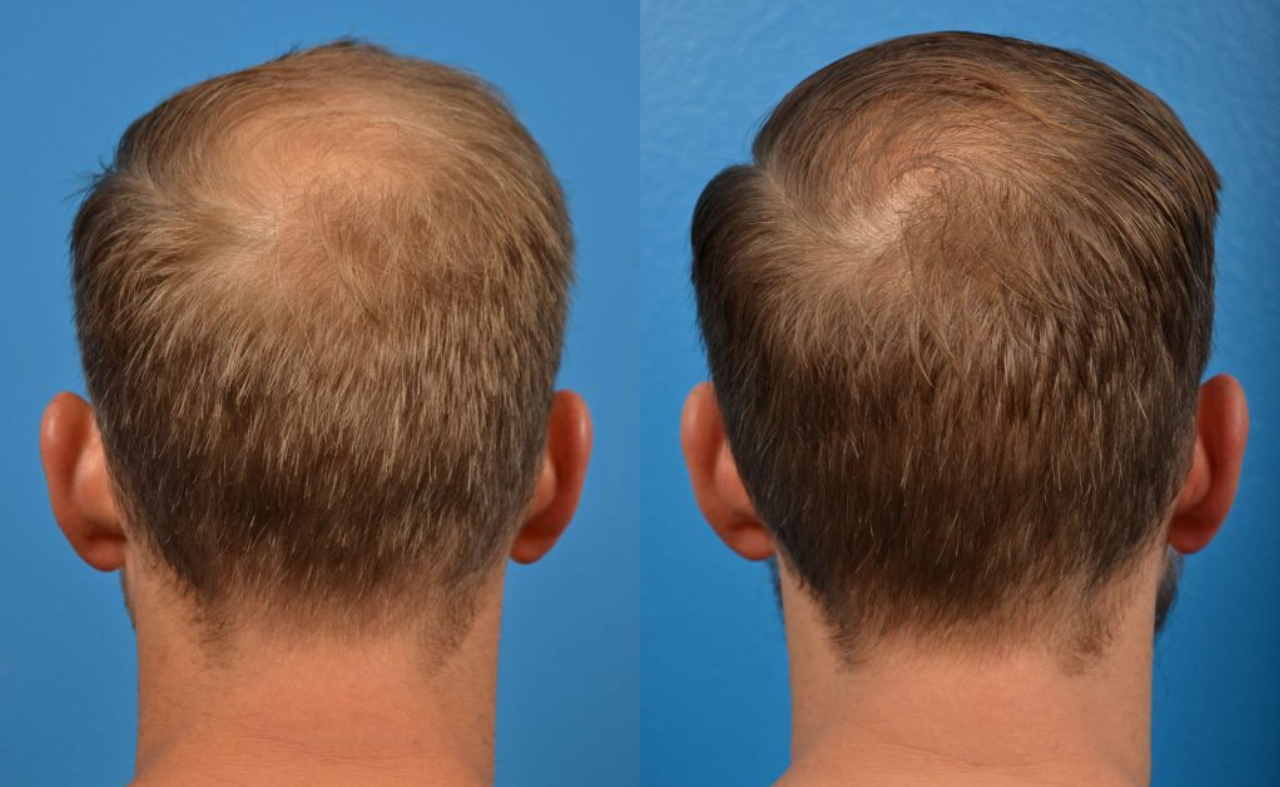
Research shows significant improvements in hair density and thickness when these cells are stimulated—making this approach highly promising for both men and women.
What Does “Autologous” Mean in Stem Cell Therapy?
Benefits of Using Your Own Cells
“Autologous” simply means the stem cells are taken from your own body—usually from fat tissue or scalp.
Why does this matter?
- No risk of rejection
- Higher safety profile
- Natural integration with your body
It’s your own biology doing the heavy lifting, which makes the treatment both safe and effective.
How Stem Cell Therapy for Hair Loss Works
Step-by-Step Treatment Process
The process may sound complex, but it’s surprisingly straightforward:
- Cell Extraction – Stem cells are harvested from your body (often adipose tissue).
- Processing – The cells are purified and concentrated.
- Injection – The solution is injected into the scalp.
- Regeneration – Stem cells stimulate hair follicles and improve growth.
Think of it like planting seeds in fertile soil—the right environment leads to healthy growth.
Types of Stem Cell Hair Treatments
Adipose-Derived Stem Cell Therapy
This method uses stem cells extracted from fat tissue. Studies show impressive results, including:
- 29 hairs/cm² increase in men
- 15.6 hairs/cm² increase in women
These numbers highlight the effectiveness of adipose-derived stem cell therapy in improving hair density.
Follicle Stem Cell-Based Treatments
This approach focuses on hair follicle stem cells, directly targeting the scalp’s natural growth system.
Clinical studies have shown up to 29% increase in hair density after 23 weeks, making it a promising option for androgenetic alopecia.
Effectiveness of Stem Cell Hair Restoration
Clinical Results and Statistics
Let’s talk numbers—because they matter.
- 48.11% increase in hair density after 6 months in some studies
- Over 50% regrowth in treatment-resistant patients
- Significant improvements in hair thickness and growth cycles
These results show that stem cell hair treatment isn’t just theoretical—it’s backed by real-world data.
Benefits of Autologous Stem Cell Therapy
Natural Regrowth and Safety
The biggest advantage? It’s natural.
You’re not introducing foreign substances into your body. Instead, you’re enhancing your body’s own healing capabilities.
Other benefits include:
- Minimal downtime
- Reduced risk of complications
- Long-lasting results
Stem Cell Hair Transplant vs Traditional Methods
Key Differences and Outcomes
| Feature | Stem Cell Therapy | Traditional Transplant |
|---|---|---|
| Approach | Regenerative | Relocation |
| Scarring | Minimal | Possible |
| Downtime | Low | Moderate |
| Results | Gradual, natural | Immediate but surgical |
Both methods have their place, but stem cell therapy offers a more holistic approach.
Who Is the Ideal Candidate for Stem Cell Hair Treatment?
You might be a good candidate if you:
- Have early to moderate hair loss
- Want a non-surgical solution
- Prefer natural treatments
Consulting a Dermatologist in Ahmedabad helps determine the best approach for your specific condition.
Risks and Limitations of Stem Cell Therapy
While promising, stem cell therapy isn’t a miracle cure.
- Results vary from person to person
- Multiple sessions may be needed
- Not ideal for completely bald areas
Setting realistic expectations is key.
Combining Stem Cell Therapy with Other Treatments
For enhanced results, stem cell therapy is often combined with:
- PRP therapy
- Medications
- Lifestyle changes
This multi-layered approach maximizes effectiveness.
Expert Insights and Dermatology Standards
Organizations like theInternational Society of Dermatology (ISD) emphasize evidence-based treatments and patient safety in emerging therapies like stem cell applications.
Cost and Accessibility of Stem Cell Hair Treatments
Stem cell therapy can be more expensive than traditional treatments due to its advanced technology. However, many patients see it as an investment in long-term results.
Why Choose Divine Cosmo Surg?
At Divine Cosmo Surg, advanced technology meets expert care. Led by experienced professionals, the clinic offers cutting-edge treatments tailored to individual needs.
If you’re looking for the Best Cosmetic & Plastic Surgeon In Ahmedabad you’ll find a team committed to delivering natural, effective results.
Call to Action: Start Your Hair Restoration Journey
Ready to explore the future of hair restoration? Don’t wait for hair loss to progress further. Early intervention can make a significant difference.
Book your consultation today and discover personalized solutions.
Conclusion
Stem cell hair restoration represents a new era in treating hair loss—one that focuses on regeneration rather than replacement. By harnessing your body’s own cells, it offers a natural, innovative path to fuller hair.
If you’re seeking a solution that goes beyond traditional methods, this could be the breakthrough you’ve been waiting for.
FAQs
Q1. What is stem cell hair restoration?
It’s a treatment that uses your own stem cells to stimulate hair growth naturally.
Q2. Is stem cell therapy for hair loss safe?
Yes, especially when autologous cells are used, reducing risks.
Q3. How long does it take to see results?
Results typically appear within 3–6 months.
Q4. Is the procedure painful?
Minimal discomfort, as it’s a minimally invasive treatment.
Q5. Can stem cell therapy replace hair transplants?
Not entirely—it depends on the extent of hair loss.