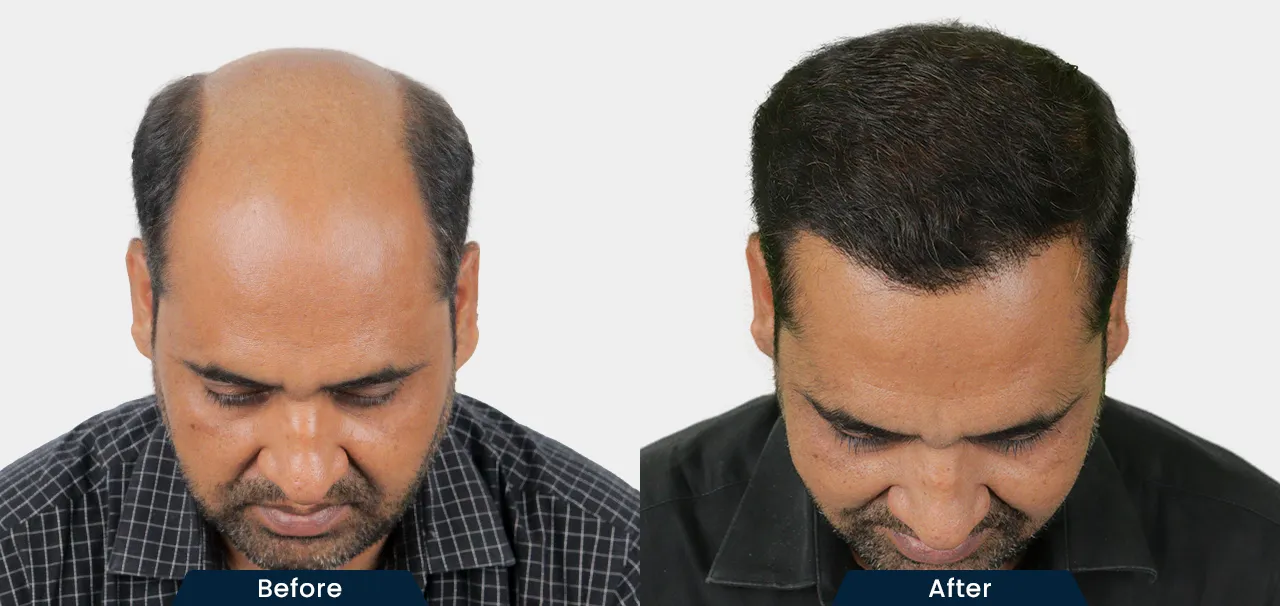
Hair loss can affect confidence, appearance, and even social interactions. Whether it’s a receding hairline, thinning crown, or extensive baldness, finding the right solution is often a life-changing decision. Today, advanced hair restoration procedures offer natural-looking results, but the success of your treatment largely depends on choosing the best hair transplant clinic in Ahmedabad and an experienced surgeon.
Why Choosing the Right Hair Transplant Surgeon Matters
A hair transplant is more than just a cosmetic procedure. It is a combination of medical expertise, artistic vision, and advanced technology.
An experienced surgeon can:
- Create a natural-looking hairline
- Ensure proper graft survival
- Minimize scarring
- Reduce complications
- Deliver long-lasting results
On the other hand, choosing an inexperienced provider can lead to unnatural outcomes, poor density, and the need for corrective procedures.
Understanding Hair Transplant Procedures
FUE Hair Transplant
Follicular Unit Extraction (FUE) involves extracting individual hair follicles from the donor area and implanting them into thinning or bald regions.
Benefits of FUE
- Minimal scarring
- Faster recovery
- Natural appearance
- Less discomfort
FUT Hair Transplant
Follicular Unit Transplantation (FUT) involves removing a strip of scalp to harvest hair follicles.
Benefits of FUT
- Suitable for larger bald areas
- Higher graft yield
- Cost-effective in some cases
Your surgeon will recommend the most suitable technique based on your hair loss pattern.
Qualifications to Look for in a Hair Transplant Surgeon
Board Certification and Training
Always verify whether the surgeon has specialized training in plastic and cosmetic surgery.
Professional affiliations with organizations such as the Association of Plastic Surgeons of India (APSI) and the International Society of Aesthetic Plastic Surgery (ISAPS) demonstrate commitment to high standards and ongoing education.
Book an Appointment
Top Causes of Hair Loss in Men and Women
Understanding the root cause helps determine the best treatment.
Common Hair Loss Causes
- Genetics
- Hormonal imbalance
- Stress
- Nutritional deficiencies
- Medical conditions
- Aging
- Lifestyle factors
Studies suggest that up to 80% of men and 50% of women experience noticeable hair loss by age 80.
Best Non-Surgical Hair Restoration Treatments
Today’s non-surgical hair restoration options are more advanced and scientifically driven than ever before.
PRP & Microneedling for Hair Regrowth
PRP therapy for hair regrowth is one of the most popular non-surgical hair restoration treatments today.
What Is PRP Therapy?
Platelet-Rich Plasma (PRP) therapy uses growth factors from your own blood to stimulate hair follicles and improve scalp health. Microneedling enhances absorption and boosts collagen stimulation.
Benefits of PRP & Microneedling
- Minimally invasive
- Natural treatment
- Minimal downtime
- Improves scalp circulation
- Supports healthier hair growth
Studies suggest PRP therapy may achieve 60–70% success rates in suitable candidates.
TET (Thread Embedding Therapy)
Thread Embedding Therapy (TET) is an advanced regenerative treatment that stimulates dormant hair follicles using absorbable medical threads placed beneath the scalp.
Benefits of TET
- Stimulates blood circulation
- Activates weak hair follicles
- Supports collagen production
- Improves hair density naturally
TET is increasingly used as a supportive treatment alongside PRP and mesotherapy.
GFC and i-PRF Hair Restoration
What Is GFC?
Growth Factor Concentrate (GFC) therapy uses concentrated growth factors derived from the patient’s own blood to support follicle regeneration.
What Is i-PRF?
Injectable Platelet-Rich Fibrin (i-PRF) is an advanced regenerative treatment that releases growth factors gradually for longer-lasting stimulation.
Benefits of GFC & i-PRF
- Natural regenerative approach
- Improved follicle nourishment
- Reduced hair thinning
- Enhanced hair quality and density
These therapies are commonly recommended for early to moderate hair loss.
Antiandrogen Mesotherapy for Hair Loss
Antiandrogen mesotherapy involves delivering specialized medications and nutrients directly into the scalp to target hormonal hair loss.
Benefits of Antiandrogen Mesotherapy
- Helps reduce hair fall
- Targets DHT-related hair loss
- Improves scalp nourishment
- Supports stronger hair follicles
This treatment is commonly used in androgenetic alopecia management.
Low-Level Laser and Light Therapy (LLLT)
Low-level laser therapy uses red light technology to stimulate hair follicles and improve scalp circulation.
How LLLT Works
- Improves blood circulation
- Enhances cellular activity
- Supports follicle health
- Promotes thicker-looking hair
Clinical studies suggest LLLT may increase hair count by approximately 35% after 16 weeks.
Exosome Therapy for Hair Restoration
Exosome therapy is one of the newest regenerative approaches in non-surgical hair restoration.
What Are Exosomes?
Exosomes are microscopic extracellular vesicles rich in growth factors and signaling molecules that help stimulate tissue repair and follicle regeneration.
Benefits of Exosome Therapy
- Supports follicle repair
- Promotes hair growth stimulation
- Reduces inflammation
- May improve overall scalp health
Exosome therapy is often combined with PRP and microneedling for enhanced results.
Benefits of Non-Surgical Hair Restoration Treatments
Major Advantages
- No surgery
- Minimal downtime
- Safer recovery process
- Natural regenerative techniques
- Flexible treatment combinations
- Suitable for men and women
Many patients report improved confidence and satisfaction within the first few months of treatment.
Limitations and Maintenance Requirements
Non-surgical solutions also require realistic expectations.
Possible Limitations
- Ongoing maintenance sessions
- Gradual rather than instant results
- Variable outcomes depending on hair loss stage
- Multiple sessions may be needed
Some treatments mainly help preserve existing hair while improving thickness and scalp health.
Are Non-Surgical Hair Restoration Treatments Permanent?
Most non-surgical hair restoration treatments are not permanent.
Examples
- PRP requires maintenance sessions
- Mesotherapy often needs repeat treatments
- LLLT requires consistent use
- Exosome therapy may need follow-up sessions
Consistency and professional guidance are important for long-term success.
Non-Surgical Hair Restoration vs Hair Transplant
Non-Surgical Hair Restoration
- No incisions
- Faster recovery
- Regenerative and maintenance-based
- Suitable for early-stage hair loss
Hair Transplant
- Permanent follicle relocation
- Surgical procedure
- Long-term natural growth
- Best for advanced baldness in suitable candidates
The best option depends on:
- Hair loss severity
- Lifestyle
- Budget
- Expectations
- Scalp condition
How to Choose the Right Hair Restoration Option
Choosing the right treatment is like selecting the right roadmap; the best route depends on your destination.
Factors to Consider
- Hair loss stage
- Age
- Scalp condition
- Budget
- Desired results
- Maintenance willingness
Professional consultation helps create a personalized treatment strategy.
Why Choose Divine Cosmosurg for Hair Restoration?
Hair restoration requires expertise, personalization, and advanced technology.
Why Patients Trust Divine Cosmosurg
- Expertise of Dr. Harshvardhan Sahijwani
- Advanced non-surgical hair restoration solutions
- Personalized treatment plans
- Modern PRP and regenerative therapies
- Patient-focused care
- Natural-looking outcomes
The International Society of Aesthetic Plastic Surgery (ISAPS) emphasizes choosing qualified specialists for safe and effective cosmetic treatments.
Call to Action
Struggling with hair thinning or hair loss? You don’t always need surgery to restore confidence and improve appearance.
Book your consultation today with Dr. Harshvardhan Sahijwani at Divine Cosmosurg and discover the best non-surgical hair restoration solution for your needs.
Conclusion
Modern non-surgical hair restoration treatments provide effective, flexible, and scientifically advanced solutions for men and women dealing with hair loss. From PRP therapy and TET to GFC, mesotherapy, LLLT, and exosome therapy, today’s treatments can significantly improve hair quality, density, and confidence without surgery.
The right treatment depends on your hair loss pattern, goals, and lifestyle. Consulting an experienced specialist can help you choose the most suitable path toward healthier-looking hair and renewed confidence.
FAQs
Q1. What are non-surgical hair restoration treatments?
Non-surgical hair restoration treatments are regenerative and scalp-based therapies that help reduce hair fall and improve hair growth without surgery.
Q2. Is PRP therapy considered non-surgical hair restoration?
Yes. PRP therapy is a minimally invasive, non-surgical treatment used to stimulate hair growth.
Q3. What is TET for hair restoration?
Thread Embedding Therapy (TET) is a regenerative procedure that uses absorbable threads to stimulate hair follicles and scalp circulation.
Q4. Which is better: hair transplant or non-surgical hair restoration?
The best option depends on hair loss severity, expectations, budget, and long-term goals.
Q5. Can women use non-surgical hair restoration treatments?
Yes. PRP, mesotherapy, LLLT, exosomes, and GFC therapies are commonly used for female hair loss.