
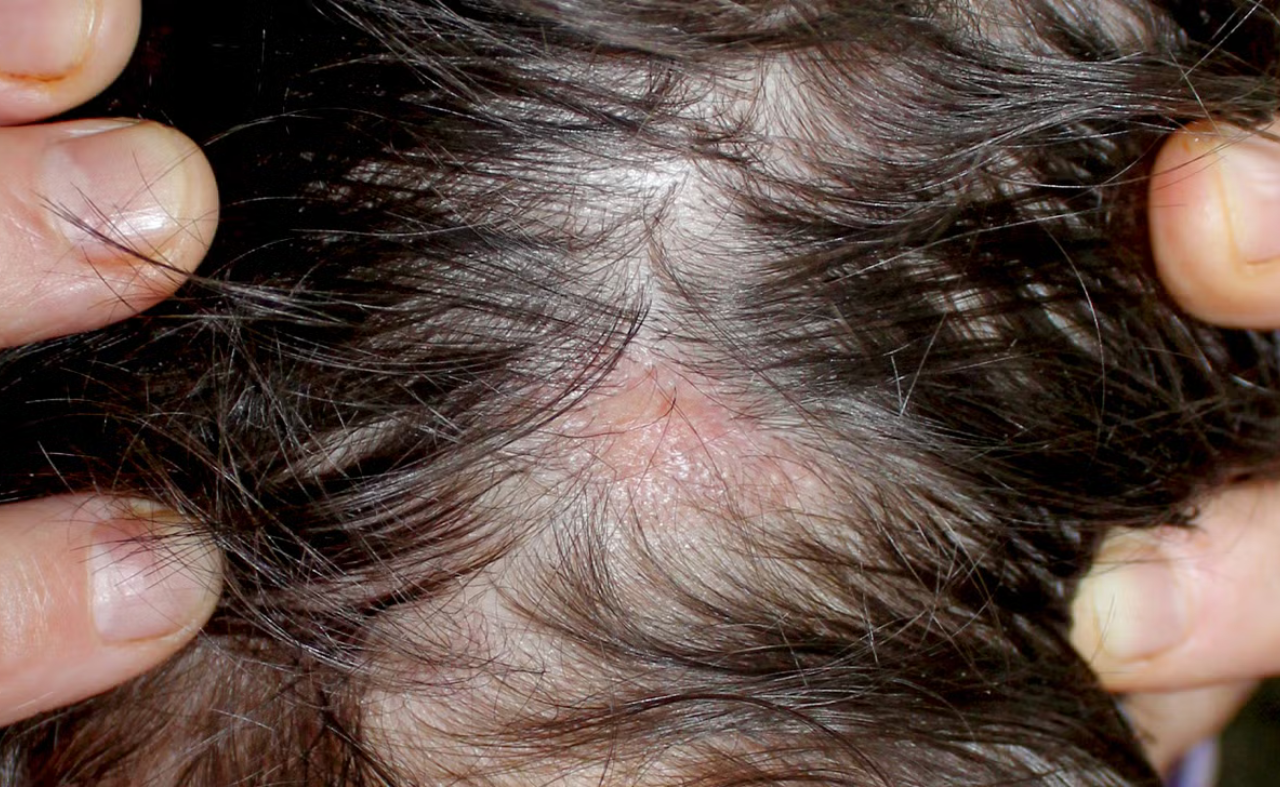
Hair loss can feel frustrating, emotional, and sometimes even alarming. Seeing extra strands on your pillow or in the shower drain often raises one big question: Is this normal, or should I worry? The truth is that hair loss affects millions of people worldwide, including both men and women. In fact, studies show that hair loss affects nearly 85% of men and 33% of women at some point in life.
Understanding Hair Loss
Hair loss, also known as alopecia, occurs when the natural hair growth cycle is disrupted. While losing some hair daily is normal, excessive shedding or visible thinning may indicate an underlying issue.
Hair grows in three phases:
- Growth phase (Anagen)
- Transition phase (Catagen)
- Resting phase (Telogen)
When this cycle becomes imbalanced, hair shedding increases and regrowth slows down.
How Much Hair Loss Is Normal?
Most people lose around 70 to 100 strands of hair daily. That may sound like a lot, but it is generally considered normal. Problems arise when:
- Hair shedding increases suddenly
- Hair becomes visibly thinner Bald patches appear
- Hair becomes visibly thinner
- Bald patches appear
- Hair loss continues for more than three months
If these signs persist, it may be time to consult a dermatologist for hair loss or a qualified hair specialist doctor.
Hair Loss Statistics You Should Know
Understanding the scale of hair loss can help normalize the experience while also encouraging timely treatment.
- Hair loss affects approximately 85% of men and 33% of women
- Androgenetic alopecia causes nearly 95% of male hair loss
- Millions seek professional hair restoration every year
- Early diagnosis significantly improves treatment outcomes
Book an Appointment
According to the American Academy of Dermatology (AAD), persistent hair shedding lasting more than three months should be medically evaluated.
Top 5 Causes of Hair Loss
1. Genetic Hair Loss (Androgenetic Alopecia)
Genetics is one of the most common causes of hair loss in men and women. Often referred to as male-pattern baldness or female-pattern hair loss, this condition develops gradually over time.
Common Signs
- Receding hairline
- Thinning crown
- Widening of central parting
- Family history of baldness
Androgenetic alopecia accounts for the majority of chronic hair loss cases in men. Think of your hair follicles like a garden affected by poor soil quality — genetics can slowly weaken the roots over time.
When to See a Specialist
If you notice progressive thinning or a strong family history of hair loss, consulting a hair loss specialist doctor early can help preserve existing hair.
2. Hormonal Imbalances
Hormones play a major role in hair growth. Conditions like thyroid disorders, PCOS, pregnancy, menopause, and hormonal fluctuations can trigger excessive shedding.
Hormonal Hair Loss Causes Include
- Thyroid imbalance
- PCOS
- Menopause
- Postpartum changes
- Testosterone sensitivity
Symptoms
- Sudden hair thinning
- Irregular periods
- Weight fluctuations
- Fatigue
Women especially may experience diffuse thinning due to hormonal changes.
3. Stress and Lifestyle Factors
Can stress cause hair loss? Absolutely.
Physical or emotional stress can push hair follicles into a resting phase, leading to excessive shedding known as telogen effluvium.
Stress-Related Hair Loss Triggers
- Emotional trauma
- Surgery
- Severe illness
- Poor sleep
- Anxiety
Stress acts like a storm disrupting the natural rhythm of your hair cycle.
Warning Signs
- Increased shedding after stressful events
- Hair fall during combing or washing
- Diffuse thinning across the scalp
4. Nutritional Deficiencies
Your hair needs nutrients just like your body does. Deficiencies in vitamins and minerals can weaken follicles and reduce healthy growth.
Nutritional Deficiencies and Hair Loss
- Iron deficiency
- Vitamin D deficiency
- Protein deficiency
- Zinc deficiency
- Biotin deficiency
Symptoms
- Brittle hair
- Slow growth
- Increased shedding
- Weak nails
A poor diet is like trying to build a strong house without enough bricks.
5. Hair Styling Damage and Medical Conditions
Frequent heat styling, chemical treatments, and tight hairstyles can damage hair roots over time.
Hair Loss from Styling Damage
- Tight ponytails
- Braids
- Excessive coloring
- Heat tools
- Chemical straightening
This condition, called traction alopecia, can become permanent if ignored.
Medical Causes of Hair Loss
Certain medical conditions may also contribute:
- Autoimmune diseases
- Scalp infections
- Lupus
- Diabetes
- Medications
Symptoms That Indicate Serious Hair Loss
You should not ignore these signs:
- Hair fall lasting more than 3 months
- Sudden bald patches
- Itchy or painful scalp
- Rapid thinning
- Excessive shedding beyond 100 hairs daily
If these symptoms appear, seek professional advice promptly.
When Should You See a Hair Specialist Doctor?
Many people wait too long before consulting a specialist. Early diagnosis can significantly improve treatment success.
You Should See a Hair Specialist If
- Hair thinning becomes visible
- Bald spots appear
- Hair shedding increases suddenly
- Home remedies are ineffective
- Hair loss affects confidence or mental well-being
A qualified dermatologist for hair loss can identify the exact cause and recommend personalized treatment.
How Hair Specialists Diagnose Hair Loss
Hair specialists use several methods to determine the cause:
Diagnostic Approaches
- Scalp examination
- Medical history review
- Blood tests
- Hair pull test
- Trichoscopy
Accurate diagnosis is the foundation of successful hair restoration.
Treatment Options for Hair Loss
Modern hair restoration treatments offer highly effective solutions.
Popular Treatments Include
- PRP therapy
- Hair transplant surgery
- Medications
- Nutritional therapy
- Scalp treatments
- Lifestyle modification
Treatment depends on the underlying cause of hair loss.
PRP Therapy for Hair Loss
Platelet-Rich Plasma (PRP) therapy uses the patient’s own blood platelets to stimulate hair follicles.
Benefits of PRP Therapy
- Minimally invasive
- Natural treatment
- Improves hair density
- Strengthens weak follicles
- Reduces shedding
Explore advanced PRP therapy in Ahmedabad for hair restoration.
Hair Transplant Solutions
For advanced baldness or permanent hair thinning, hair transplantation may provide long-term results.
Popular Techniques
- FUE (Follicular Unit Extraction)
- FUT (Follicular Unit Transplantation)
Hair transplant procedures restore natural-looking hair growth using healthy follicles from donor areas.
Learn more about Hair Loss Treatment Page.
Tips to Prevent Excessive Hair Shedding
Healthy Hair Habits
- Eat protein-rich foods
- Manage stress
- Avoid harsh chemicals
- Sleep adequately
- Use gentle hair products
- Avoid tight hairstyles
Consistency matters more than quick fixes.
Lifestyle Changes That Support Healthy Hair
Small lifestyle adjustments can significantly improve hair health.
Helpful Lifestyle Practices
- Regular exercise
- Hydration
- Balanced nutrition
- Meditation
- Limiting smoking and alcohol
Healthy hair often reflects overall wellness.
Why Early Treatment Matters
Hair follicles weaken gradually. Waiting too long can lead to irreversible damage.
Benefits of Early Intervention
- Better treatment response
- Slower progression
- Higher hair retention
- Improved confidence
Early care is like repairing a roof before the storm worsens.
Why Choose Divine Cosmosurg for Hair Loss Treatment
Choosing the right clinic matters when it comes to hair restoration.
Why Patients Trust Divine Cosmosurg
- Experienced care by Dr. Harshvardhan Sahijwani
- Advanced hair restoration technology
- Personalized treatment plans
- Modern PRP and transplant solutions
- Patient-focused approach
- Natural-looking results
For expert guidance regarding Hair transplant in Ahmedabad and comprehensive hair restoration, Divine Cosmosurg offers advanced solutions tailored to individual needs.
The International Society of Aesthetic Plastic Surgery (ISAPS) also emphasizes the importance of choosing qualified and experienced aesthetic specialists for safe and effective cosmetic procedures.
Why Choose Divine Cosmo Surg?
At Divine Cosmo Surg, advanced technology meets expert care. Led by experienced professionals, the clinic offers cutting-edge treatments tailored to individual needs.
If you’re looking for the Best Cosmetic & Plastic Surgeon In Ahmedabad you’ll find a team committed to delivering natural, effective results.
Call to Action
Are you struggling with excessive hair shedding, thinning hair, or bald patches? Don’t wait until the problem worsens.
Book a consultation with Dr. Harshvardhan Sahijwani at Divine Cosmosurg today and explore personalized solutions including PRP therapy and advanced hair transplant procedures.
Conclusion
Hair loss can happen for many reasons, from genetics and hormonal changes to stress, nutritional deficiencies, and styling damage. While occasional shedding is normal, persistent or excessive hair fall should never be ignored.
Understanding the top 5 causes of hair loss and knowing when to see a hair specialist doctor can help you take timely action and protect your hair health. With modern treatments and expert care, restoring confidence and healthier hair is more achievable than ever.
FAQs
Q1. What are the most common causes of hair loss?
The most common causes include genetics, hormonal imbalance, stress, nutritional deficiencies, and hair styling damage.
Q2. When should I see a dermatologist for hair loss?
You should consult a dermatologist if hair shedding lasts more than three months, bald patches appear, or hair thinning becomes noticeable.
Q3. Can stress cause hair loss?
Yes. Emotional and physical stress can trigger telogen effluvium, leading to excessive hair shedding.
Q4. Can vitamin deficiency cause hair loss?
Yes. Deficiencies in iron, Vitamin D, zinc, protein, and biotin may contribute to hair thinning and shedding.
Q5. What doctor should I see for hair loss?
A dermatologist or hair loss specialist doctor can diagnose and treat hair loss conditions effectively.