
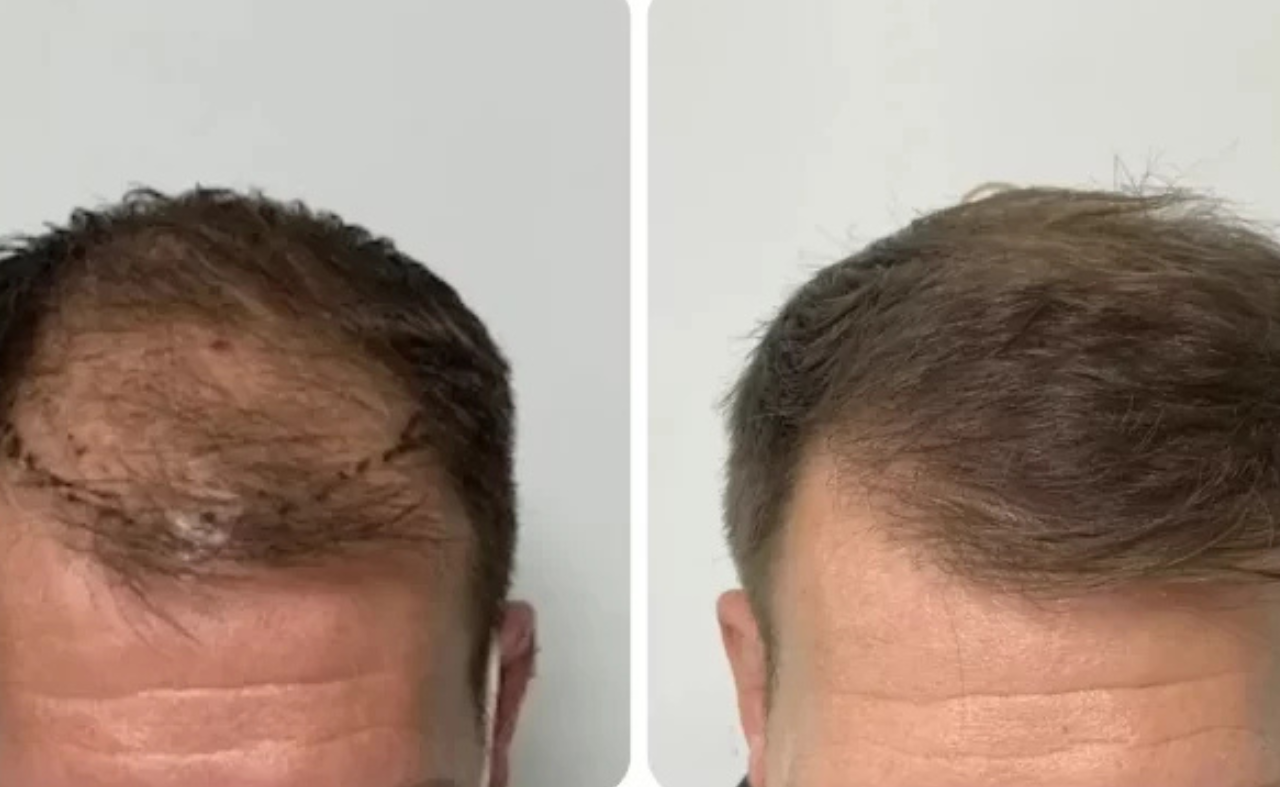
A hair transplant can transform not only your appearance but also your confidence. However, one of the biggest questions patients ask before surgery is: “How long does hair transplant recovery take?” Understanding the hair transplant recovery timeline week by week helps set realistic expectations and reduces anxiety during the healing journey.
Understanding Hair Transplant Recovery
Hair transplant recovery is not a single event, it is a gradual journey. Like planting seeds in fertile soil, transplanted follicles need time to settle, rest, and grow.
Hair Transplant Healing Stages Include
- Initial healing
- Scab formation
- Shedding phas
- Dormant stage
- Regrowth phase
- Final maturation
The complete hair transplant growth timeline months may extend up to 12–18 months.
What Happens Immediately After Hair Transplant Surgery?
Immediately after surgery, the scalp may appear:
- Red
- Swollen
- Sensitive
- Slightly crusted
Book an Appointment
Tiny grafts are carefully implanted into the scalp, and the body begins its natural healing response.
Normal Immediate Symptoms
- Mild bleeding
- Tightness
- Itching
- Temporary numbness
Most patients can return home the same day.
Hair Transplant Recovery Timeline: Day 1 to Day 3
The first few days are crucial for graft survival.
What to Expect
Patients with active hair follicles usually respond better than those with complete baldness.
- Mild swelling around forehead
- Redness in donor and recipient areas
- Tiny scabs around grafts
- Sensitivity while sleeping
Important Care Tips
- Sleep with head elevated
- Avoid touching grafts
- Use prescribed medications
- Avoid smoking and alcohol
The newly implanted follicles are delicate during this stage.
Hair Transplant Recovery Timeline: Day 4 to Day 7
By the end of the first week, swelling usually improves significantly.
Week 1 Healing Signs
- Reduced redness
- Formation of protective scabs
- Mild itching
- Improved comfort
Most patients recover substantially within 5–10 days after surgery.
Can You Return to Work?
Many people resume desk work within a week, depending on the procedure and healing response.
Week 2 After Hair Transplant: Scab Shedding Begins
This is one of the most noticeable healing stages.
What Happens During Week 2?
- Scabs begin falling off naturally
- Donor area heals further
- Redness gradually fades
Scabs usually disappear by around days 8–10.
Important Reminder
Do not pick or scratch the scabs. Let them shed naturally to protect graft survival.
Week 3–4 After Hair Transplant: Shock Loss Phase
This stage surprises many patients.
What Is Shock Loss?
Shock loss refers to temporary shedding of transplanted hairs after surgery.
Why Does It Happen?
The follicles enter a resting phase before starting new growth.
Common Symptoms
- Hair shedding
- Uneven appearance
- Temporary thinning
Although alarming, shock loss is normal and temporary.
According to the American Society of Plastic Surgeons (ASPS), shock loss commonly starts around week 2–3 after hair transplantation.
Months 1–3 After Hair Transplant: Resting Phase
This period can test patience.
What to Expect
- Minimal visible growth
- Dormant follicles
- Continued scalp healing
Many patients worry the transplant failed during this phase, but the follicles are quietly preparing for regrowth beneath the skin.
Think of it like seeds underground before sprouting.
Hair Transplant Results at 3–4 Months
Exciting changes often begin here.
Early Hair Regrowth
- Fine hairs start appearing
- Hairline becomes more visible
- Density gradually improves
First visible regrowth typically appears around 3–4 months after surgery.
Texture Changes
Initially, the new hairs may appear:
- Thin
- Curly
- Soft
This improves over time.
Hair Growth Timeline at 6 Months
At six months, many patients notice significant transformation.
6-Month Hair Transplant Results
- Improved density
- Stronger hair texture
- Better coverage
- Visible cosmetic improvement
Many individuals achieve approximately 40–50% of final results by this stage.
Hair Transplant Results at 9–12 Months
This is when the real transformation becomes noticeable.
What Happens Between 9–12 Months?
- Hair thickens further
- Growth becomes more natural
- Density improves dramatically
- Styling becomes easier
Many patients achieve around 60–80% of final results during this phase.
Confidence Boost
This stage often delivers the emotional reward patients hoped for when they first considered surgery.
Final Hair Transplant Results at 12–18 Months
Patience pays off.
Final Results Include
- Mature hair growth
- Natural density
- Improved hairline definition
- Full cosmetic outcome
Full results usually appear between 12–18 months post-surgery.
Modern techniques offer graft survival rates of approximately 90–95% in many advanced clinics.
However, realistic expectations are essential. PRP improves existing follicles but may not restore completely bald areas.
Common Side Effects During Hair Transplant Healing
Most side effects are temporary and manageable.
Common Symptoms
- Swelling
- Redness
- Scabbing
- Itching
- Shock loss
- Mild numbness
These effects usually improve progressively during the healing timeline.
How to Speed Up Hair Transplant Recovery
Helpful Recovery Tips
- Follow post-op instructions carefully
- Avoid strenuous exercise initially
- Stay hydrated
- Eat nutrient-rich foods
- Avoid direct sun exposure
- Use gentle shampoos
Healthy recovery habits support stronger graft survival.
FUE Hair Transplant Recovery Timeline
Most FUE patients experience quicker recovery compared to traditional strip methods.
Learn more about advanced Hair transplant in Ahmedabad procedures at Divine Cosmosurg.
Hair Transplant Success Rates and Statistics
Modern hair restoration has evolved tremendously.
Important Hair Transplant Statistics
- Graft survival rates often reach 90–95%
- Average patient satisfaction scores approach 8.3/10
- Many patients achieve desired outcomes in one procedure
The International Society of Aesthetic Plastic Surgery (ISAPS) highlights the importance of choosing experienced aesthetic specialists for optimal cosmetic outcomes.
When Should You Contact Your Surgeon?
While most healing symptoms are normal, seek medical advice if you experience:
- Severe pain
- Excessive swelling
- Pus or infection
- Persistent bleeding
Prompt communication ensures safe recovery.
Tips for Long-Term Hair Transplant Success
Long-Term Hair Care Tips
- Maintain a healthy lifestyle
- Manage stress
- Use doctor-approved hair products
- Attend follow-up visits
- Consider PRP therapy if advised
Long-term care protects your investment and supports healthier hair growth.
Why Choose Divine Cosmosurg for Hair Transplant in Ahmedabad
Choosing the right surgeon can greatly influence both your results and recovery experience.
Why Patients Trust Divine Cosmosurg
- Expertise of Dr. Harshvardhan Sahijwani
- Advanced FUE techniques
- Personalized treatment plans
- Focus on natural-looking results
- Modern technology and patient safety
- Comprehensive post-operative care
For expert-guided Hair transplant in Ahmedabad Divine Cosmosurg provides advanced hair restoration solutions tailored to each patient’s goals.
Why Choose Divine Cosmo Surg?
At Divine Cosmo Surg, advanced technology meets expert care. Led by experienced professionals, the clinic offers cutting-edge treatments tailored to individual needs.
If you’re looking for the Best Cosmetic & Plastic Surgeon In Ahmedabad you’ll find a team committed to delivering natural, effective results.
Call to Action
Ready to restore your confidence with advanced hair restoration?
Book your consultation today with Dr. Harshvardhan Sahijwani at Divine Cosmosurg and discover personalized solutions for natural-looking hair transplant results and smoother recovery.
Conclusion
Understanding the hair transplant recovery timeline helps patients stay informed, realistic, and confident throughout the healing process. From early scabbing and shock loss to visible regrowth and final density improvements, every stage plays an important role in the transformation journey.
While patience is essential, modern FUE techniques and expert surgical care can deliver highly satisfying and natural-looking outcomes. Consulting an experienced specialist ensures the best possible recovery experience and long-term success.
FAQs
Q1. How long does hair transplant recovery take?
Most patients recover physically within 7–10 days, but complete hair growth results may take 12–18 months.
Q2. When do scabs fall off after hair transplant?
Scabs usually begin shedding naturally around days 8–10 after surgery.
Q3. What is shock loss after hair transplant?
Shock loss is temporary shedding of transplanted hairs that commonly occurs during weeks 2–4 after surgery.
Q4. When will I see hair transplant results?
Early regrowth often appears around 3–4 months, while fuller results become visible between 9–12 months.
Q5. Can I exercise after a hair transplant?
Light activities may resume after a few days, but strenuous exercise should typically be avoided for 2–3 weeks.