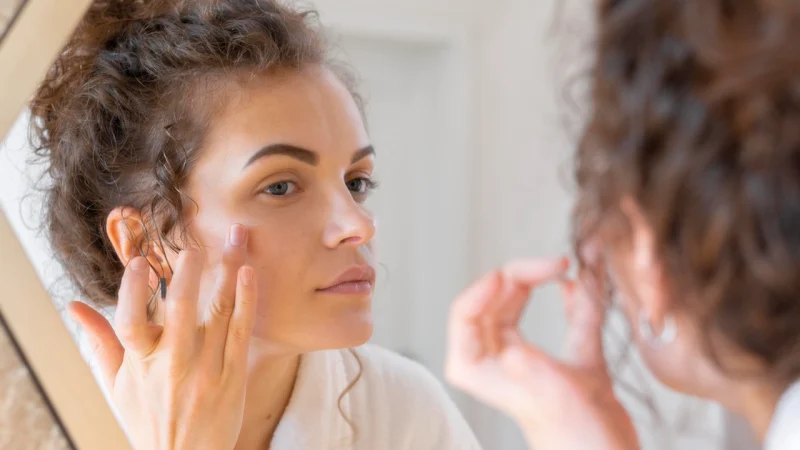
Step outside on a hazy winter morning in Ahmedabad, and you’ll likely see — or feel — the effects of pollution. Your skin feels dry, your scalp itches, and your hair seems duller than usual. That’s no coincidence. The city’s worsening air quality index (AQI) is silently attacking your skin and hair at the cellular level.
Recent data revealed that between October and November 2025, Ahmedabad recorded 18 days with AQI above 150, and pollution levels even peaked at 457 during Diwali week. That means the air around you carries particulate matter (PM2.5, PM10), nitrogen oxides, and heavy metals that can damage your skin barrier, clog pores, and trigger hair loss.
At Divine Skin, Hair and Plastic Surgical Centre, led by Dr. Payal Sahijwani – Best Skin Specialist in Ahmedabad, you can receive advanced, science-backed treatments designed to restore, rejuvenate, and protect your skin and scalp from the harmful effects of pollution.
👉 Learn more about our advanced skin treatments in Ahmedabad for healthy, glowing skin.
Understanding Air Pollution: What’s in the Air Around You
Before we understand its effects, let’s look at the pollutants in Ahmedabad’s atmosphere:
Book an Appointment
- PM2.5 & PM10 (Particulate Matter): Fine dust and soot particles that penetrate pores and hair follicles.
- NOx & SO2 (Nitrogen and Sulphur Oxides): Cause inflammation, oxidative stress, and pigment changes.
- Ozone (O₃): Damages the skin barrier and accelerates aging.
- Heavy Metals: Nickel, lead, and cadmium bind to the skin, triggering allergies and dullness.
How Air Pollution Damages Your Skin
A1. Accelerates Premature Aging
Exposure to PM2.5 causes 12.5% more pigmentation spots on the forehead and 7.7% more wrinkles on the upper lip. This is due to oxidative stress — when pollutants generate free radicals that break down collagen and elastin, leading to wrinkles and sagging.
2. Triggers Acne, Eczema & Skin Sensitivity
Every 10 µg/m³ increase in PM2.5 doubles eczema risk, while 67% of dermatologists agree pollution worsens acne. Pollutants clog pores, irritate the skin barrier, and increase bacterial activity — causing breakouts and rashes.
3. Causes Uneven Pigmentation & Melasma
PM exposure stimulates melanocytes (the pigment-producing cells), leading to dark spots and dullness. This explains why pigmentation disorders are increasingly common in polluted urban areas.
4. Weakens the Skin Barrier
PM exposure stimulates melanocytes (the pigment-producing cells), leading to dark spots and dullness. This explains why pigmentation disorders are increasingly common in polluted urban areas.
5. Disrupts Skin Microbiome Balance
Pollution alters the skin’s bacterial balance — increasing harmful species and reducing beneficial ones — which worsens inflammation and acne formation.
How Pollution Affects Hair & Scalp Health
A Milan study found pollutant concentrations 1.5× higher in hair than in the surrounding air. That means your hair traps heavy metals and soot daily.
1. Pollutant Build-Up on the Scalp
A Milan study found pollutant concentrations 1.5× higher in hair than in the surrounding air. That means your hair traps heavy metals and soot daily.
2. Damages Hair Follicles
Exposure to PM10 and diesel particles reduces vital hair proteins like β-catenin, cyclin D1, E, and CDK2, leading to thinning, shedding, and slower regrowth.
3. Triggers Dandruff & Scalp Itchiness
Pollution changes scalp pH, causing overproduction of sebum and flakiness — classic symptoms of seborrheic dermatitis.
4. Accelerates Hair Aging
Oxidative stress affects both hair color and texture. Long-term exposure fades pigment and leads to brittle, weaker strands.
Ahmedabad’s Pollution Problem: Why It Matters
According to The Times of India (2025), Ahmedabad’s air pollution worsened by 125% year-on-year post-Diwali, driven by vehicular emissions, construction dust, and weather stagnation. The city now ranks among the top 10 most polluted in India during the winter months.
Persistent exposure to AQI above 150 means that skin cells constantly face oxidative assault — much like being under a daily chemical stress test.
Indoor vs. Outdoor Pollution
You’re not safe indoors either. Studies show that indoor PM2.5 from cooking fumes and candles can cause the same level of skin aging as outdoor pollution. Ventilation and air purification play key roles in prevention.
The Science: Oxidative Stress & Free Radicals
When pollutants meet your skin, they create reactive oxygen species (ROS) — unstable molecules that attack DNA, lipids, and proteins. This oxidative chain reaction is what causes visible damage like wrinkles, dullness, and irritation.
Learn more about our services here Best Skin Specialist surgeon in Ahmedabad.
How to Protect Your Skin from Pollution
1. Double Cleanse Daily
Use a gentle oil cleanser followed by a foaming face wash to remove PM particles and sebum buildup.
2. Antioxidants Are Your Shield
Ignoring early symptoms can worsen conditions. For example:
3. Sunscreen Is Non-Negotiable
UV + pollution creates a 2–3× faster aging effect. Always wear broad-spectrum SPF 30+ sunscreen.
4. Strengthen the Skin Barrier
Look for ceramides, hyaluronic acid, and peptides in your moisturizer to reinforce the protective lipid layer.
5. Weekly Exfoliation
Use mild chemical exfoliants like lactic acid to remove accumulated pollutants and dead skin cells.
How to Protect Your Hair & Scalp from Air Pollution
- Cover your hair with a scarf or cap when outdoors.
- Wash regularly with anti-pollution or clarifying shampoos.
- Massage with antioxidant-rich oils (like argan or vitamin E).
- Avoid excessive heat styling or harsh chemical treatments.
- Get regular scalp detox or rejuvenation treatments with your dermatologist.
Professional Treatments That Help
At Divine Skin, Hair and Plastic Surgical Centre, Dr. Payal Sahijwani offers specialized treatments to reverse and prevent pollution-induced skin and scalp damage:
- Oxygen Infusion Facials to restore brightness and hydration
- Laser Skin Rejuvenation to reduce pigmentation and fine lines
- PRP Scalp Therapy for improving hair density and follicle strength
- Medical Peels to renew and detoxify urban-damaged skin
👉 Explore our full range of skin treatments in Ahmedabad for glowing, pollution-resistant skin.
Why Choose Divine Skin, Hair and Plastic Surgical Centre
- Led by board-certified dermatologist Dr. Payal Sahijwani
- Personalized skin and hair analysis using advanced diagnostic tools scalp type
- Internationally approved anti-pollution protocols
- Safe, evidence-based aesthetic procedures
- Holistic skin-health approach combining nutrition, care, and technology
Learn more about the Best Skin Specialist in Ahmedabad and book a consultation today.
Call to Action
If your skin feels dull, itchy, or irritated — or your hair is losing its shine — pollution may be the silent culprit.
Schedule your consultation with Dr. Payal Sahijwani at Divine Skin, Hair and Plastic Surgical Centre today to rejuvenate and protect your skin naturally.
FAQs
1. Can air pollution really cause acne?
Yes. Pollutants clog pores and trigger inflammation, increasing acne risk by up to 25.6% in polluted cities.
2. How does pollution damage hair?
PM and diesel particles reduce vital hair proteins, leading to hair loss and weaker strands.
3. What skincare ingredients fight pollution?
Vitamin C, niacinamide, green tea, and ceramides help neutralize oxidative stress and rebuild your skin barrier.
4. Does using sunscreen help against pollution?
Absolutely. UV exposure amplifies pollution-related oxidative stress, so sunscreen is your first line of defense.
5. Is Ahmedabad’s pollution dangerous for the skin long-term?
Yes. Prolonged exposure accelerates aging, pigmentation, and chronic inflammation — but early care can reverse most effects.
6. How often should I detox my scalp in a polluted environment?
Once every 2–3 weeks is ideal to remove buildup and restore scalp health.
7. Are in-clinic treatments necessary?
While home care helps, professional treatments ensure deep detoxification and faster recovery from pollution damage.